

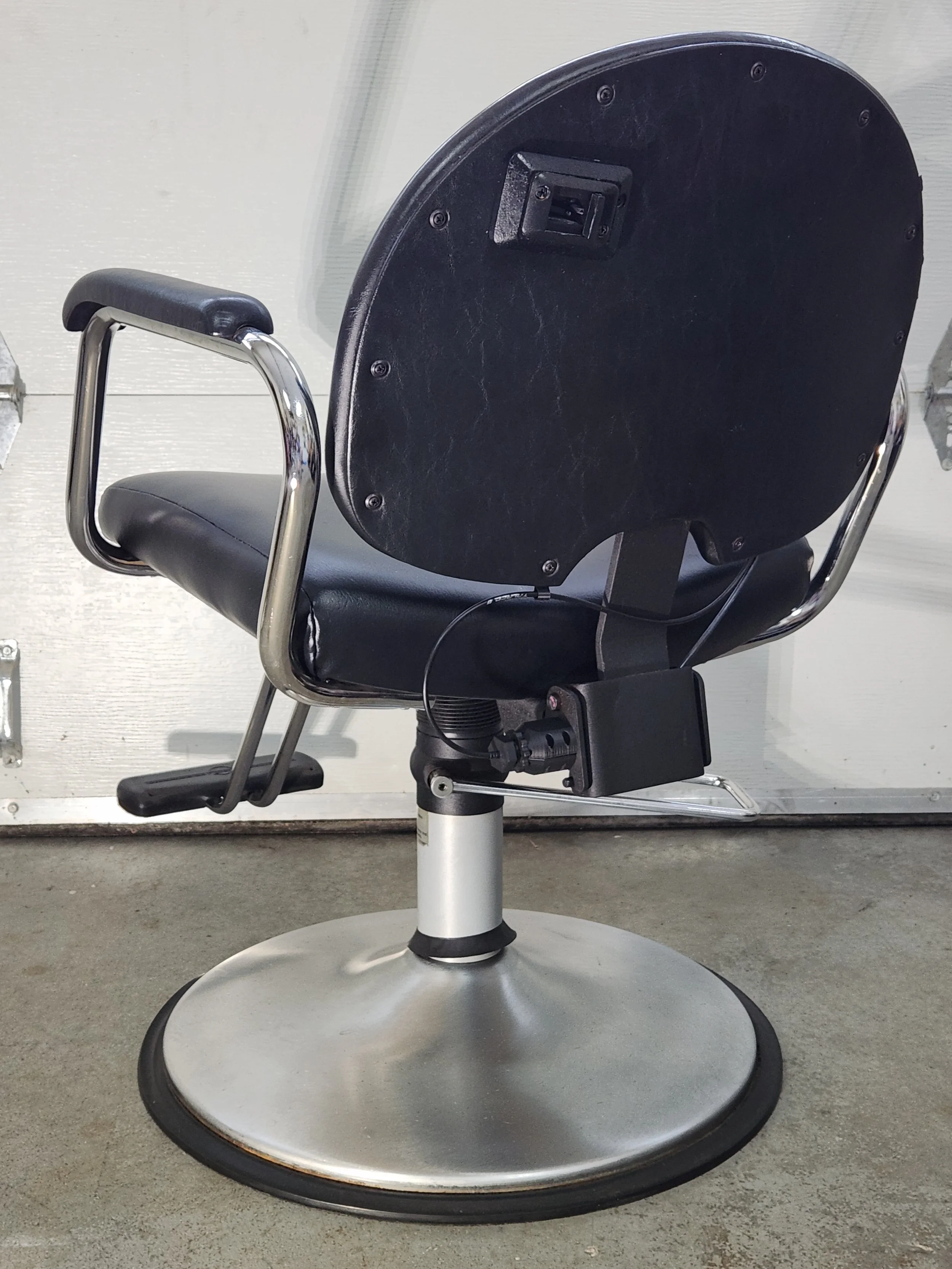
Salon Chair safety retrofit
Salon Chair Safety Retrofit
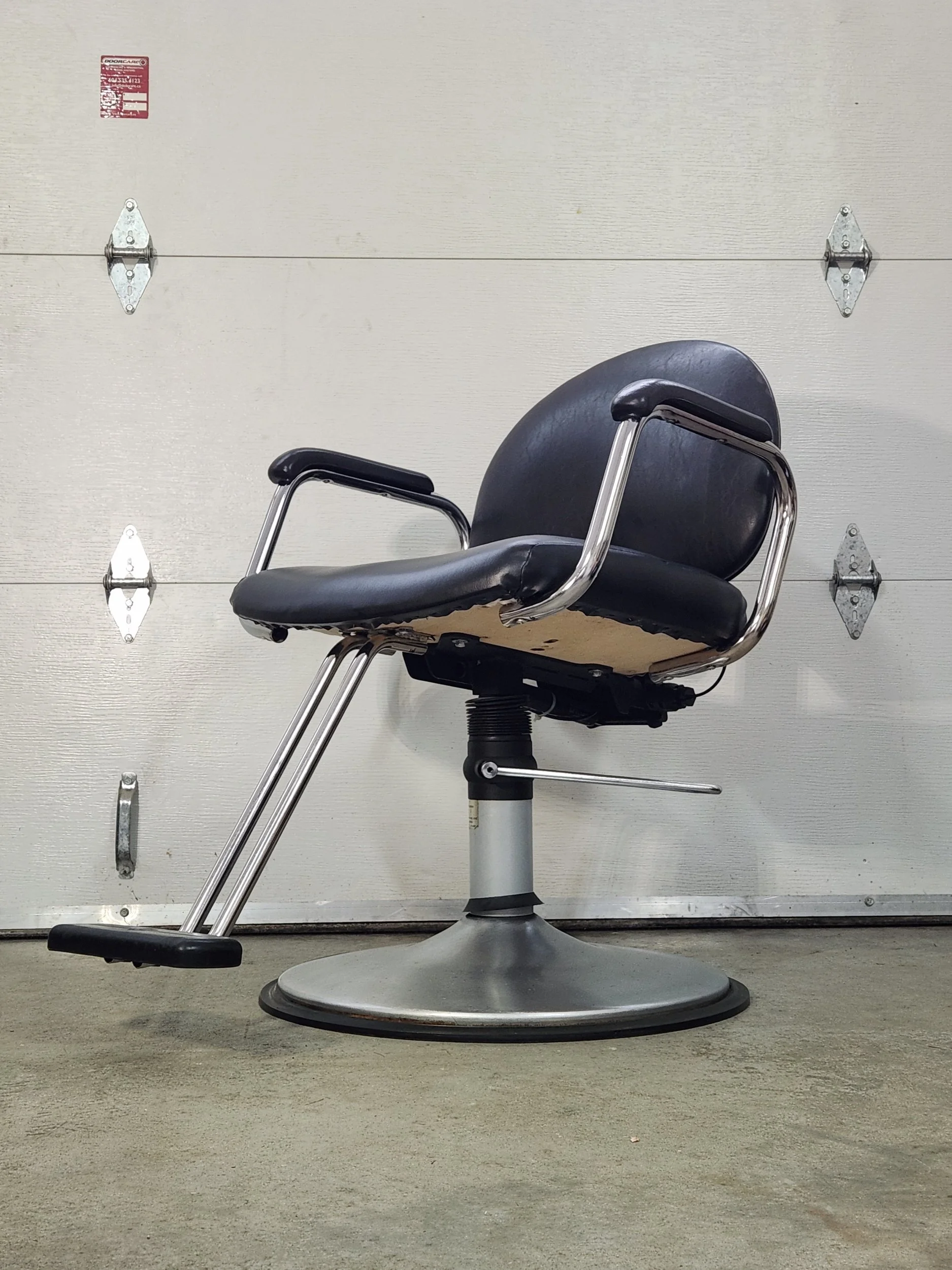
The Challenge
A local salon contacted me about a recurring issue with several reclining salon chairs. Although the chairs were otherwise in excellent condition, the reclining mechanism had become worn over time.
The issue appeared specifically in the upright position: when customers leaned back, the chair could unexpectedly recline. This created both a safety concern and an uncomfortable experience for clients and stylists alike.
Despite the problem, the salon wanted to keep the chairs because:
Stylists preferred the overall feel and ergonomics of the original design
They were in otherwise good condition
Most of them were recently reupholstered
Replacing them would be costly and wasteful
The goal was to restore safe functionality without changing how the chairs operated during normal use.
Design Requirements
The repair solution needed to meet several important criteria:
Securely lock the chair in the upright position
Preserve the existing workflow, where the stylist uses the other hand to support the chair back while reclining
Prevent the locking system from accidentally being left disengaged
Integrate cleanly with the existing chair hardware
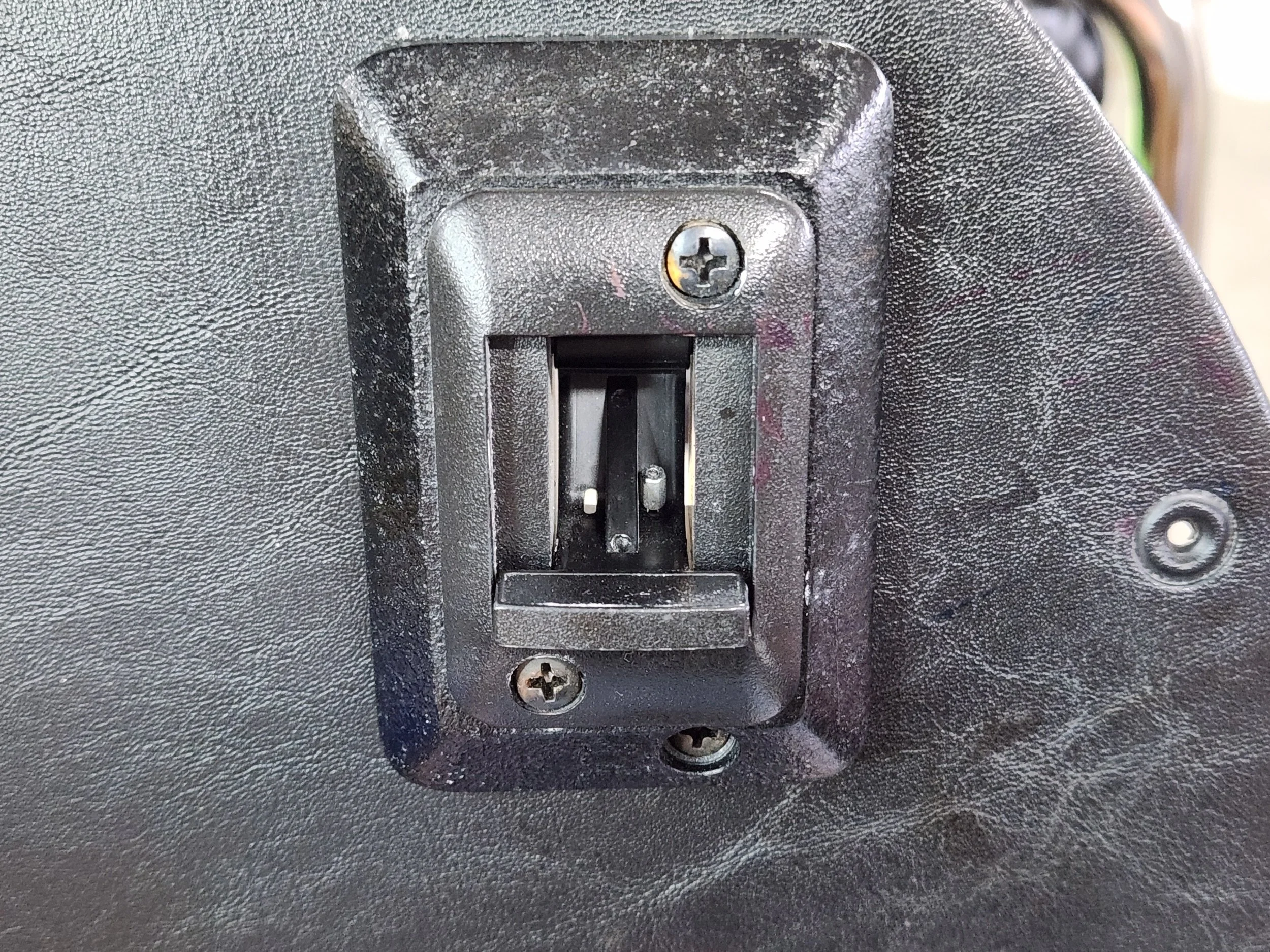
Investigating the existing mechanism:
A fortunate constraint
The original recline system used a cable-actuated lever mechanism similar to a bicycle brake cable. During disassembly and inspection, I discovered that the lever included a secondary mounting point that was unused.
This created an opportunity to add a new mechanical locking feature without heavily modifying the chair frame or replacing the original mechanism.
The Solution
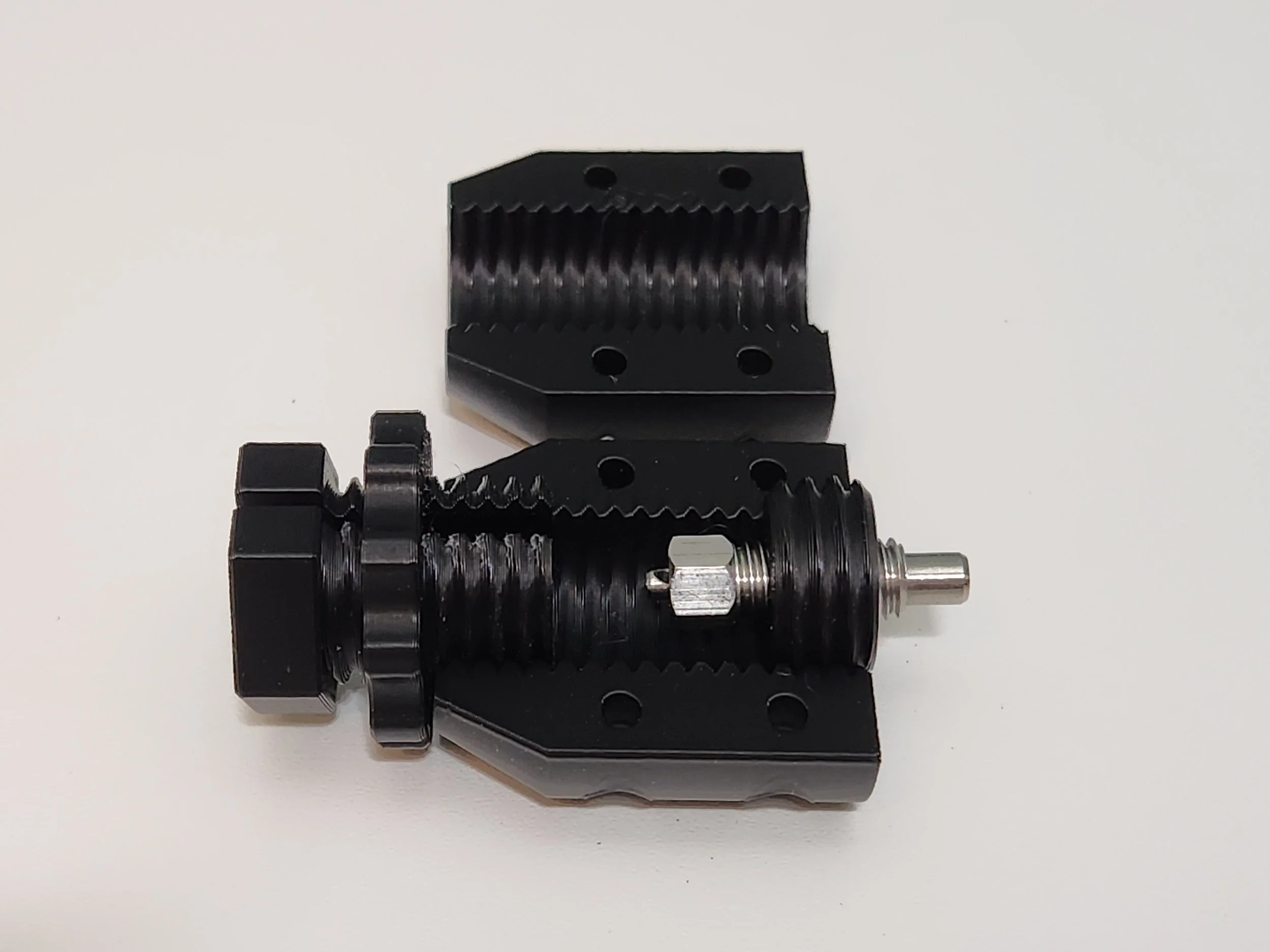
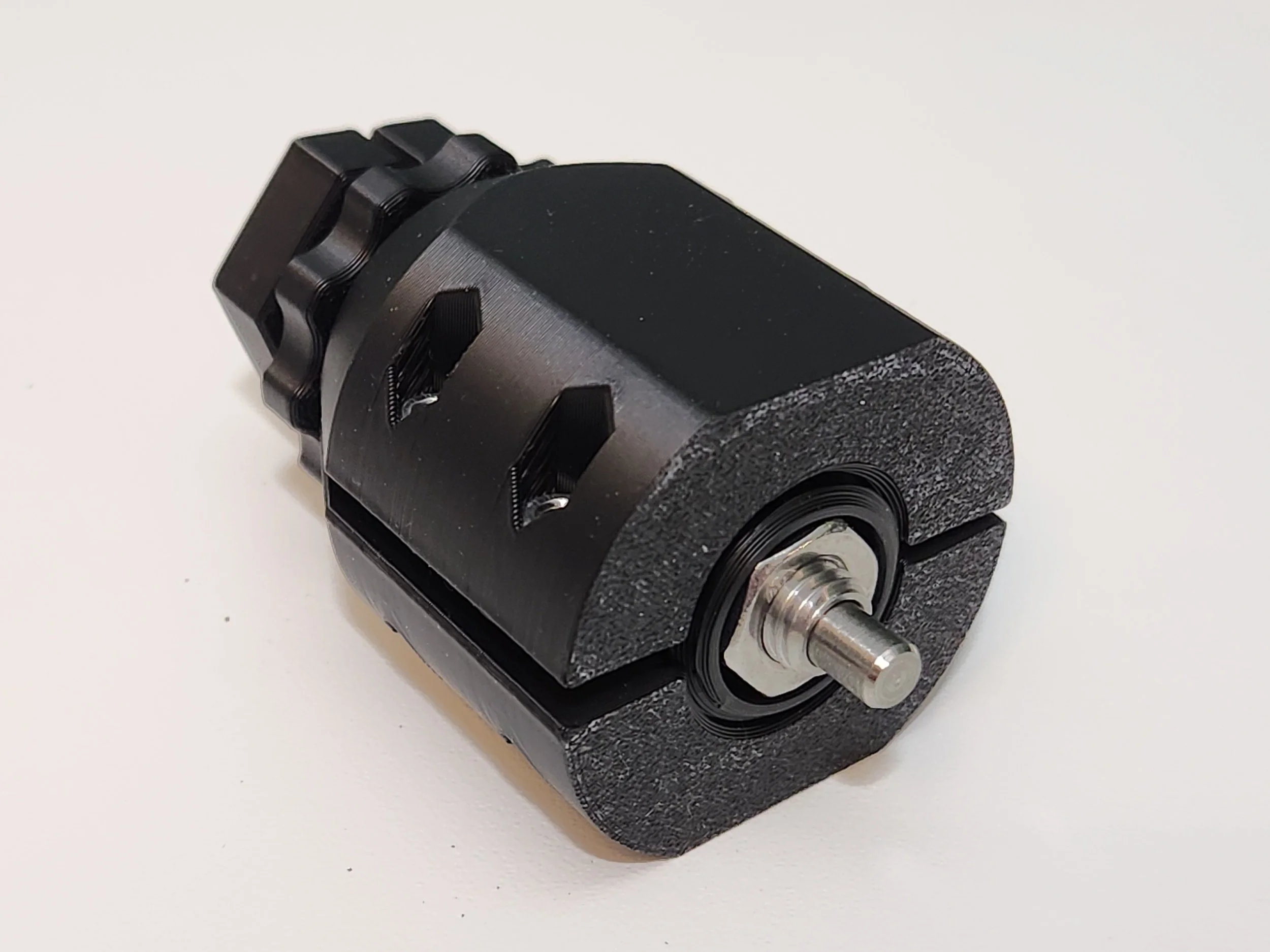
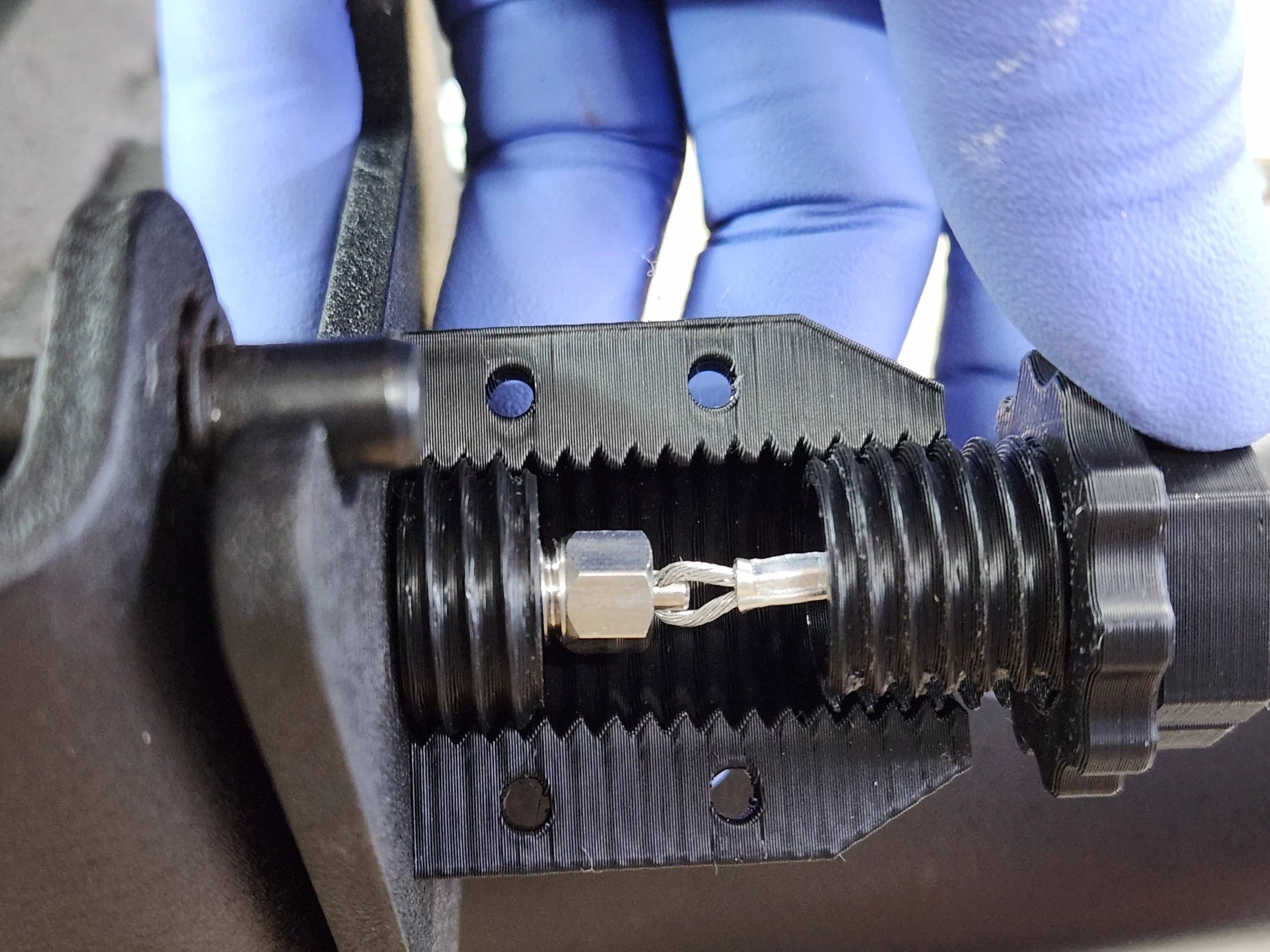
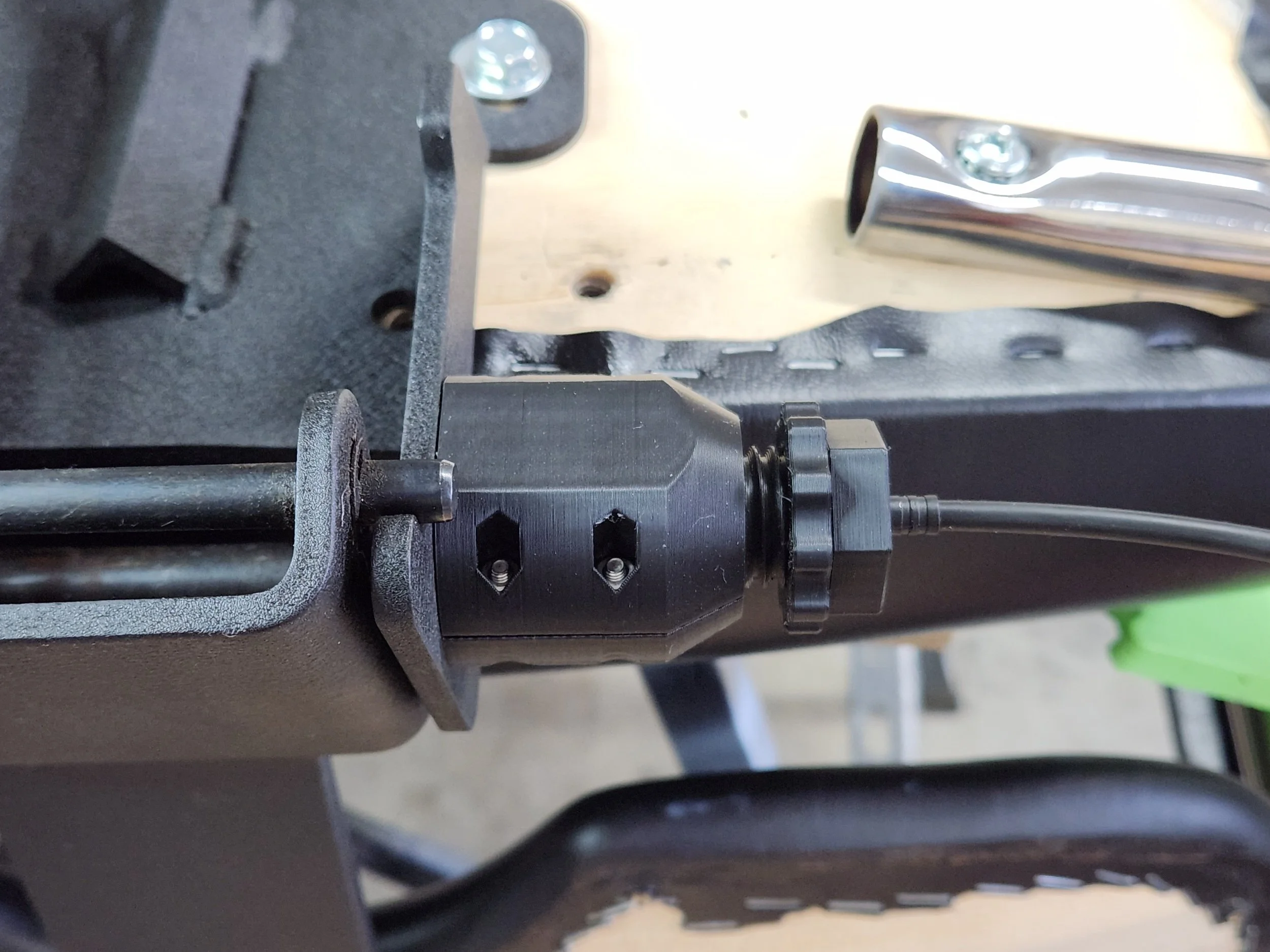
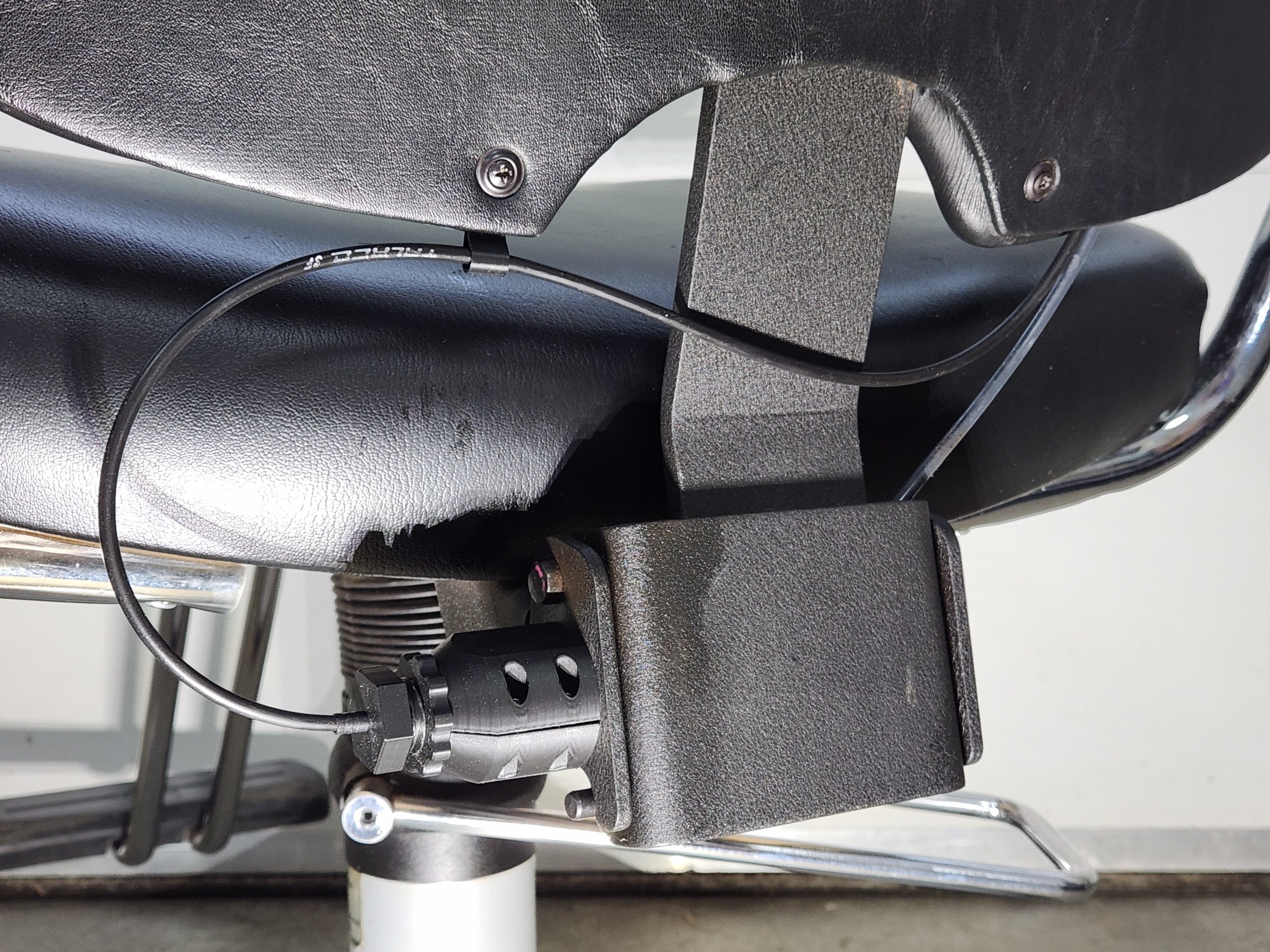
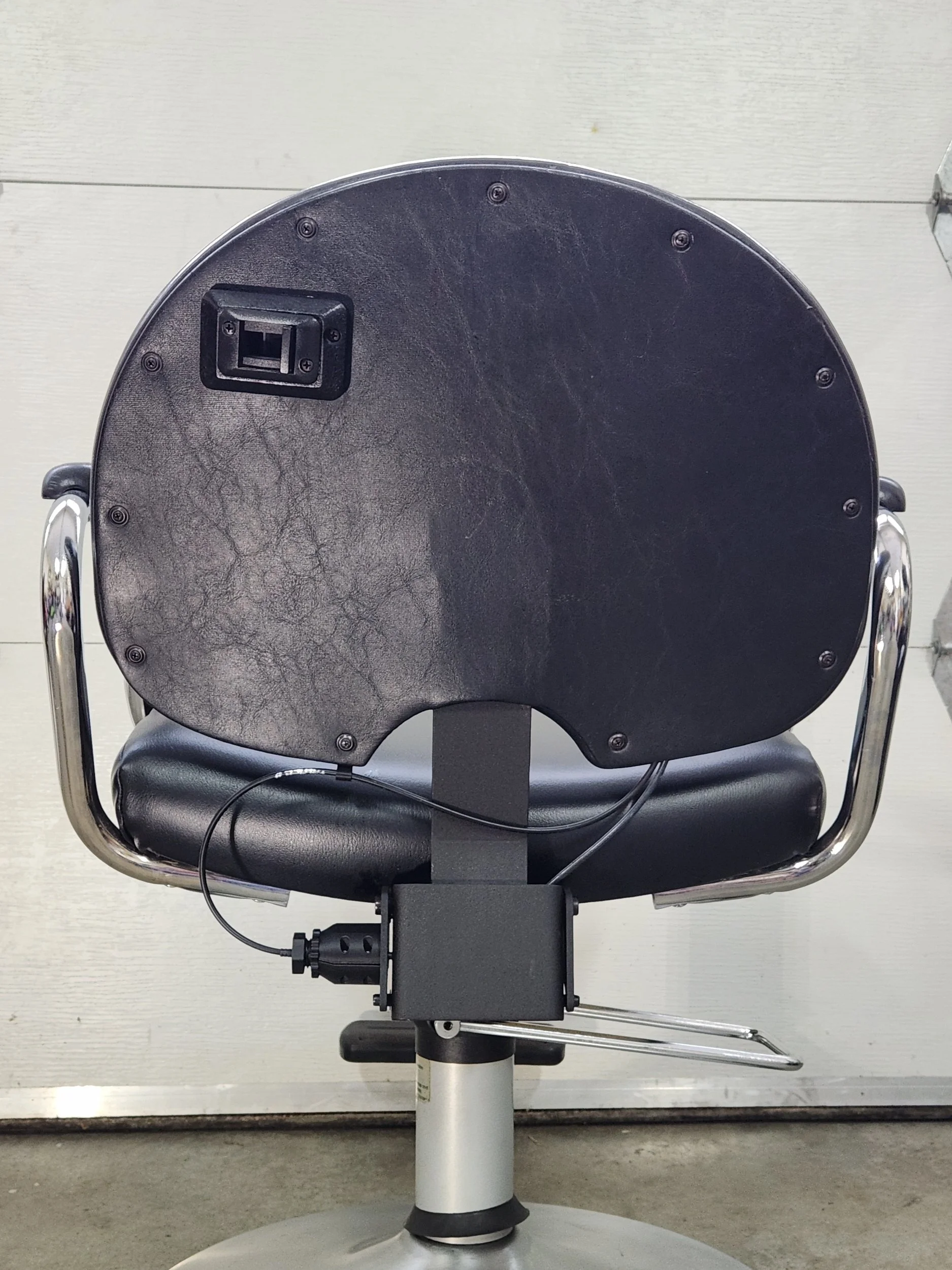
The resulting design was an auxiliary locking system tied directly into the existing recline lever, consisting of:
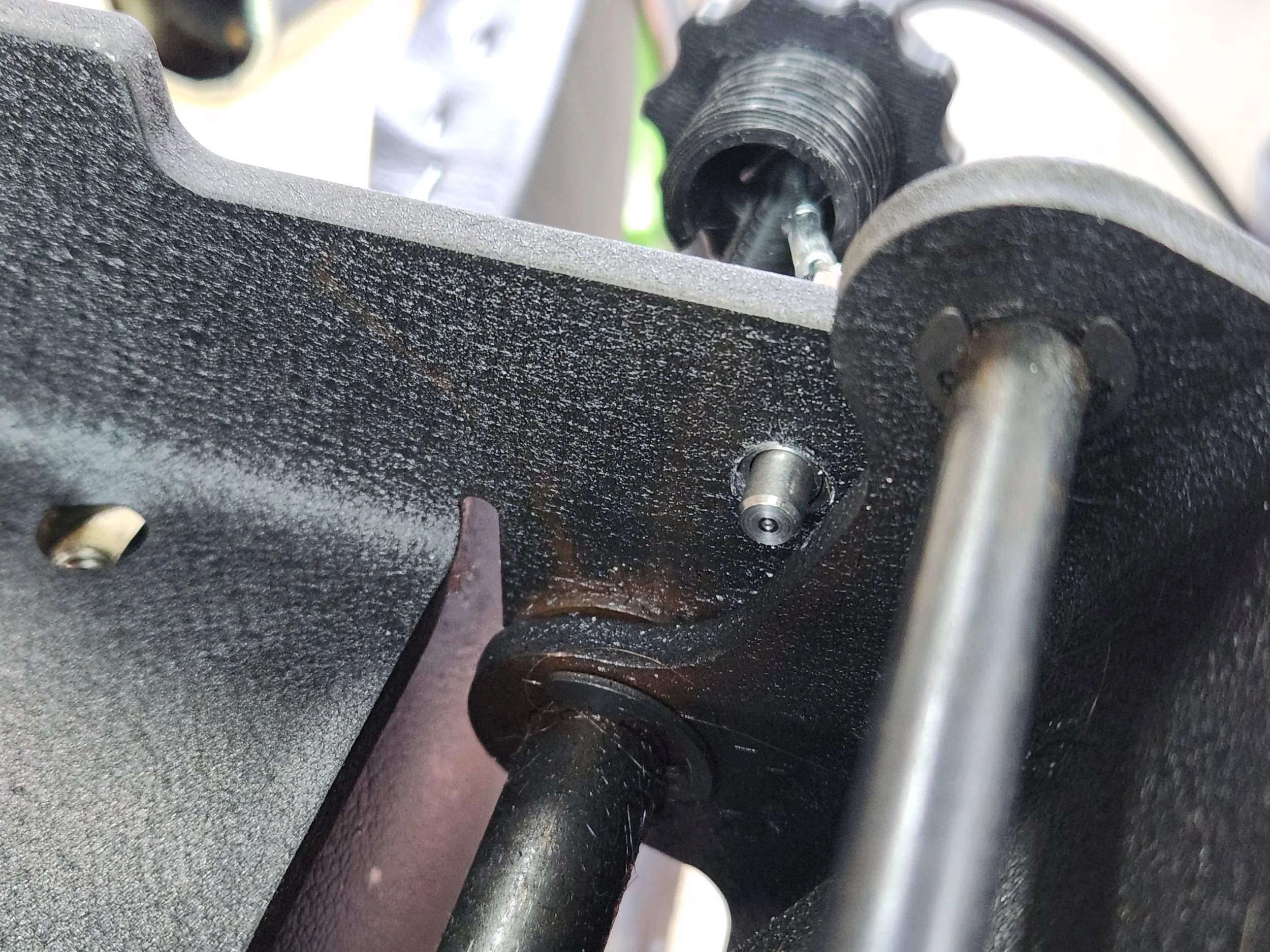
A spring-loaded metal plunger mounted directly to the chair frame
A secondary cable connection linked to the original recline lever
A custom designed and 3D printed housing to guide the cable and plunger assembly during operation
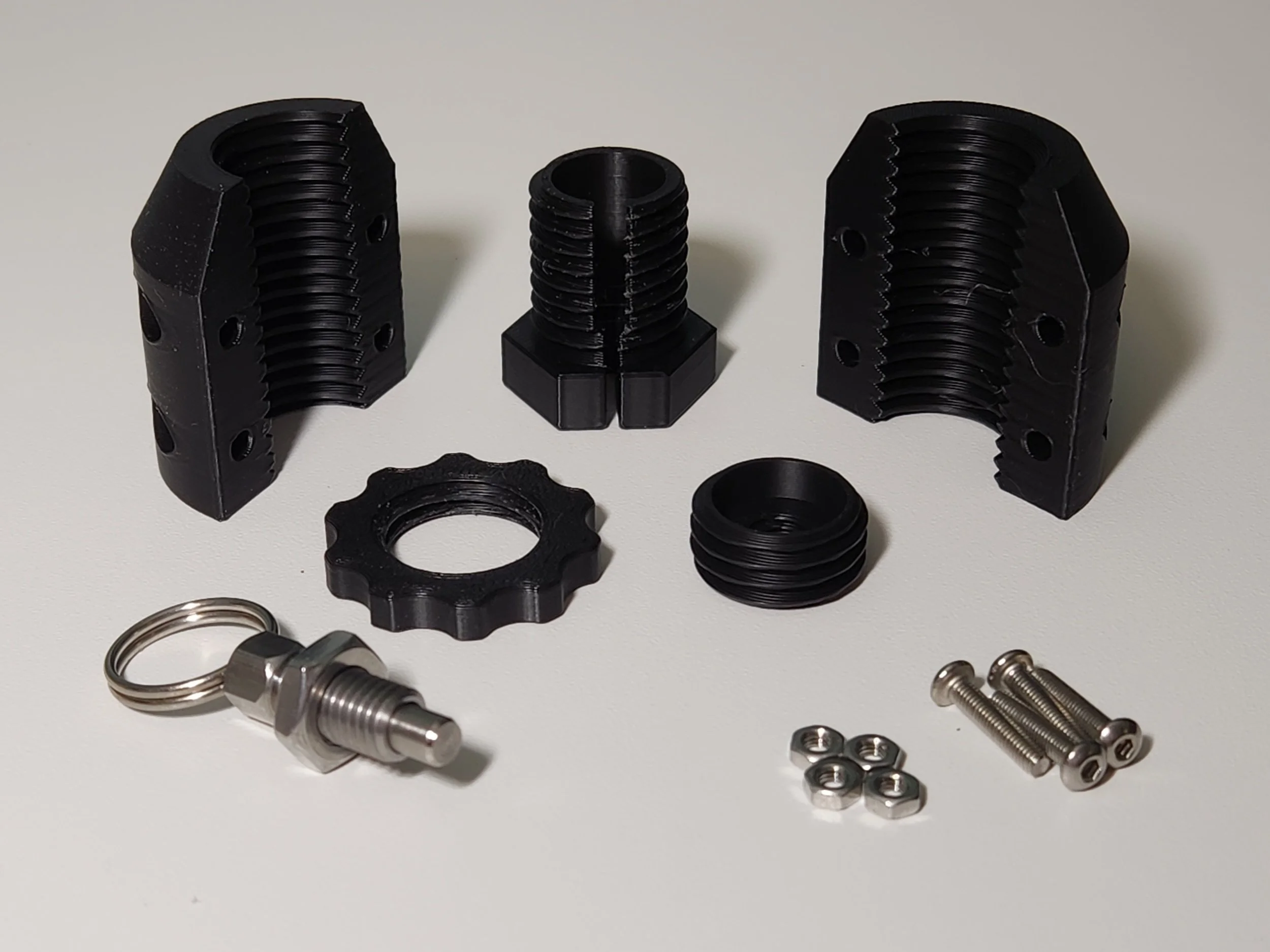
The Result
The upgraded chairs retained their original functionality and feel while eliminating the unintended reclining issue. When the stylist pulled the recline lever, the cable simultaneously retracted the plunger, allowing the chair to recline exactly as it had originally. Because the lock disengaged only while the lever was actively being used, the mechanism could not be accidentally left unlocked — an important safety improvement over a manual toggle.
Ultimately, the salon was able to:
Continue using their existing equipment
Avoid costly replacement chairs
Improve customer safety
Most importantly, the final mechanism operated intuitively and automatically, making the safety improvement seamless for day-to-day use.
Key Takeaways
This project demonstrates how custom mechanical design and additive manufacturing can extend the life of existing equipment through targeted, application-specific solutions. Rather than replacing an entire product due to a single worn component, a carefully engineered retrofit provided a lower overall cost to the salon and greatly extended the life of the chair. Additionally, this project serves as an excellent example of how 3D printing can be used not just for prototyping, but as a practical tool for solving real-world mechanical problems.